Disciplines of Figure Skating:
Singles Skating:
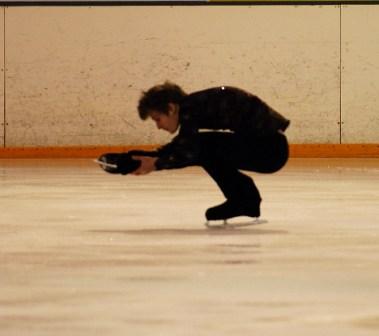
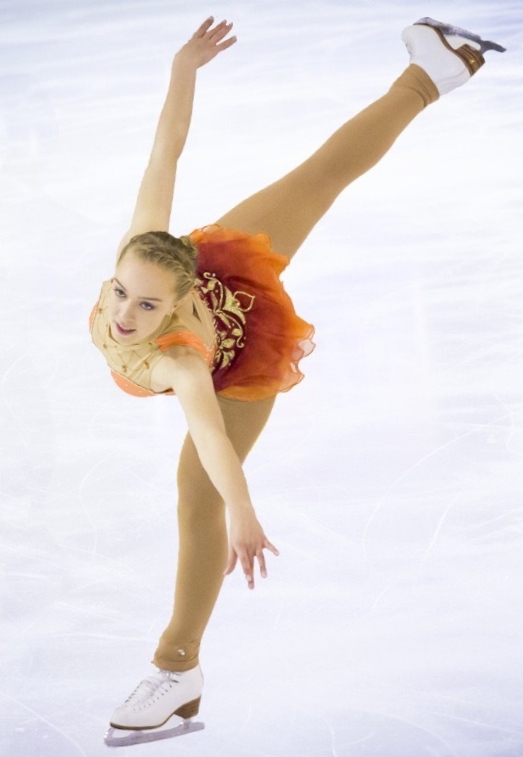
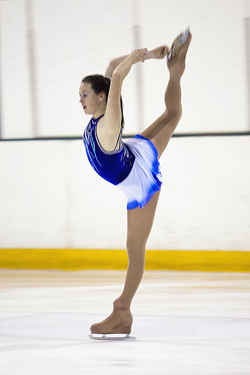
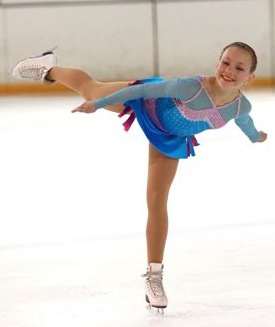
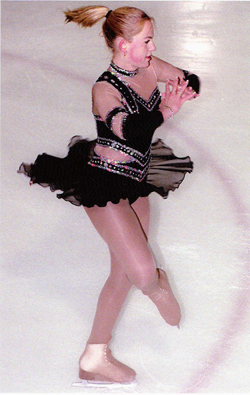
Across the world, singles skating is likely the most recognised of all the figure skating disciplines. Singles skaters perform and compete individually, separated into Men's Singles and Women's Singles.
These athletes execute a variety of required elements depending on their level, such as jumps, spins and step or choregraphic sequences. These elements are strategically built into a routine called a "program" set to music, which is intricately interwoven to create a performance that balances
Once they reach the Advanced Novice level (Advanced Novice > Junior > Senior) they compete in both a Short Program (SP) and a Free Skating program or long program (FS). The SP is the technical program and skaters all need to perform the elements stipulated for their division in that season. In the FP the skaters must perform certain types of elements but have more freedom to select from a range of possibilities.
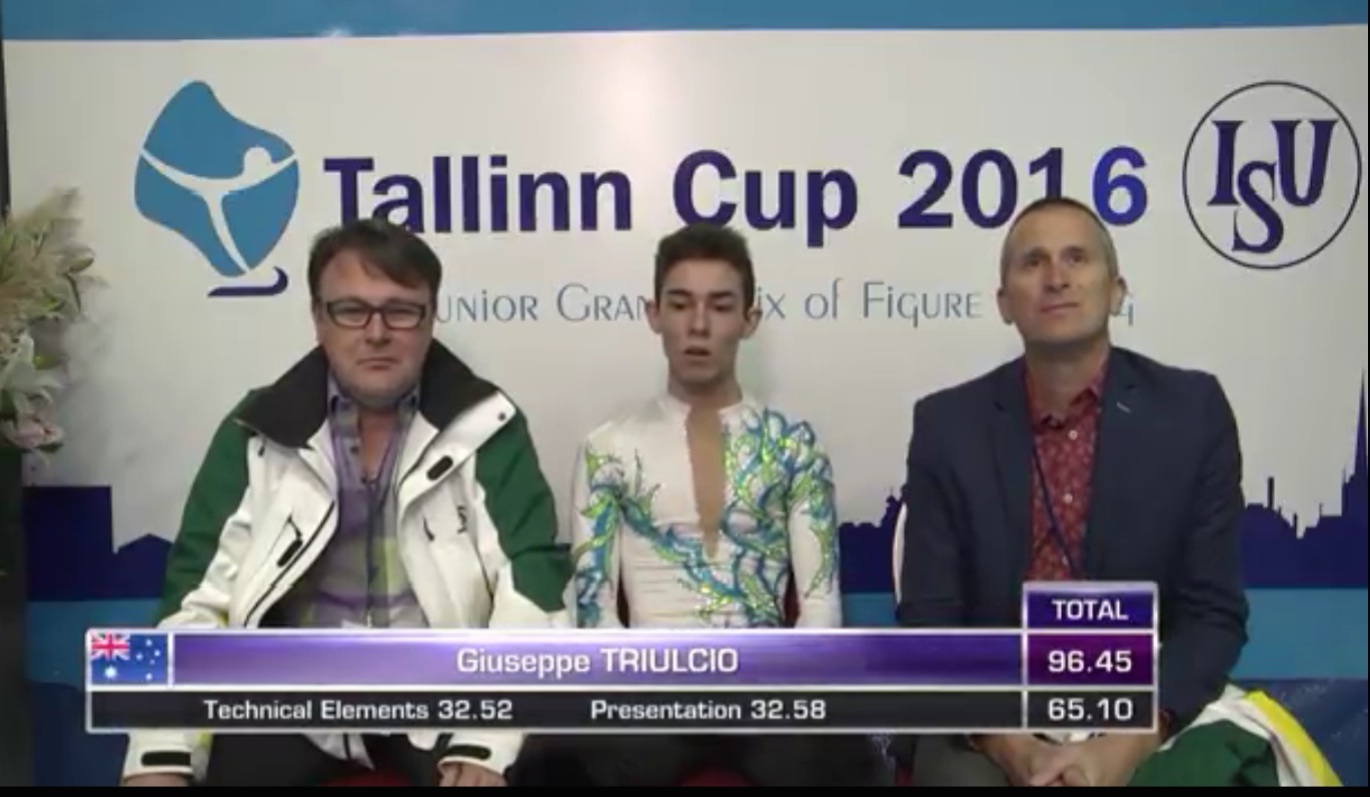
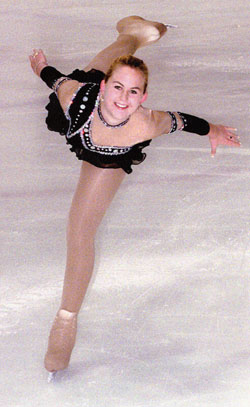
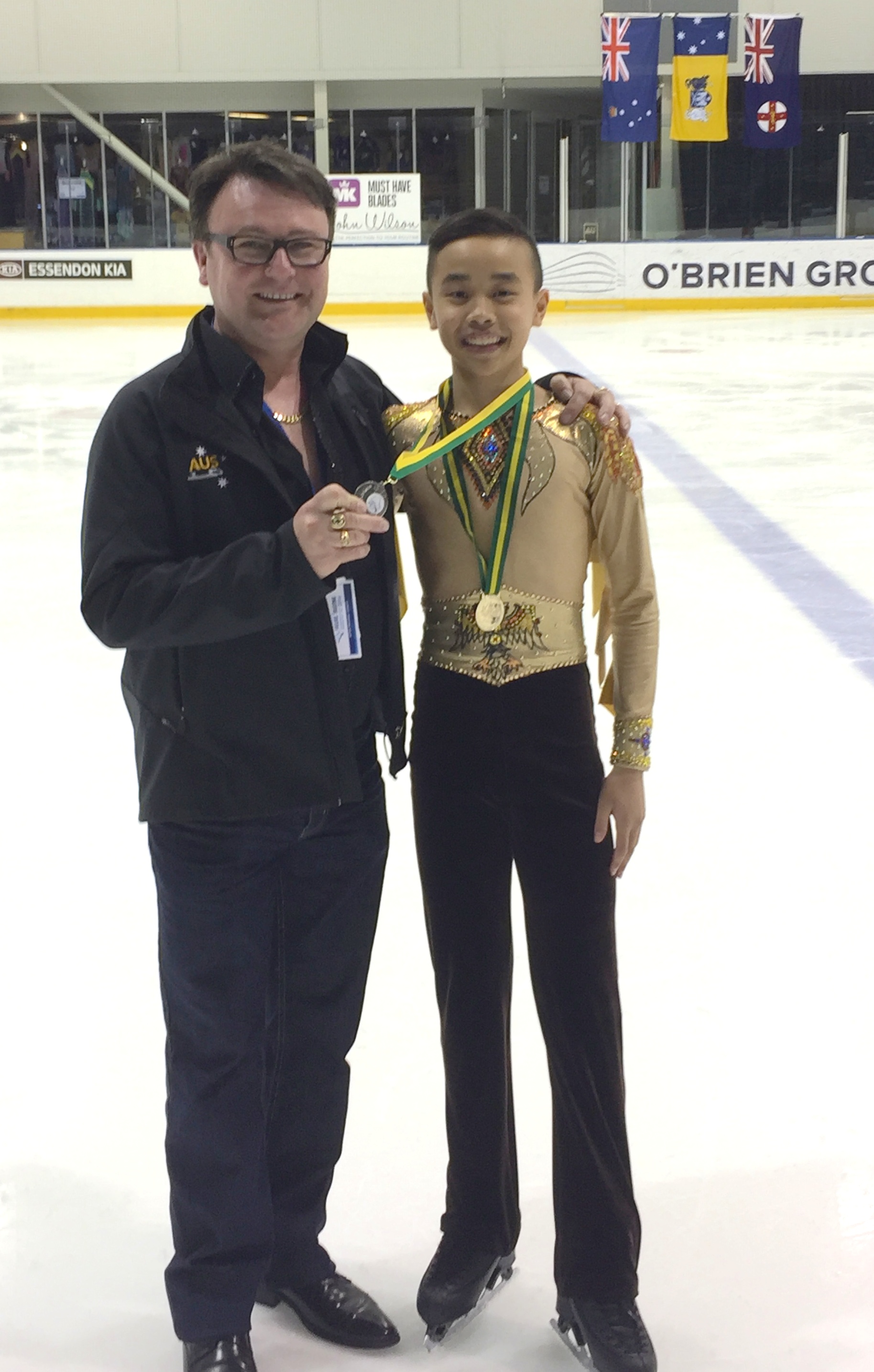
Photos: SA skaters

Pair Skating
Pair Skating is distinguished from Ice Dance and Singles Skating by elements unique to Pair Skating such as overhead lifts, twist lifts, death spirals and throw jumps. The pairs also perform the elements of Singles Skating in unison.
Pair Skating is controlled by the International Skating Union (ISU) and is an Olympic discipline along with Singles Skating and Ice Dance.
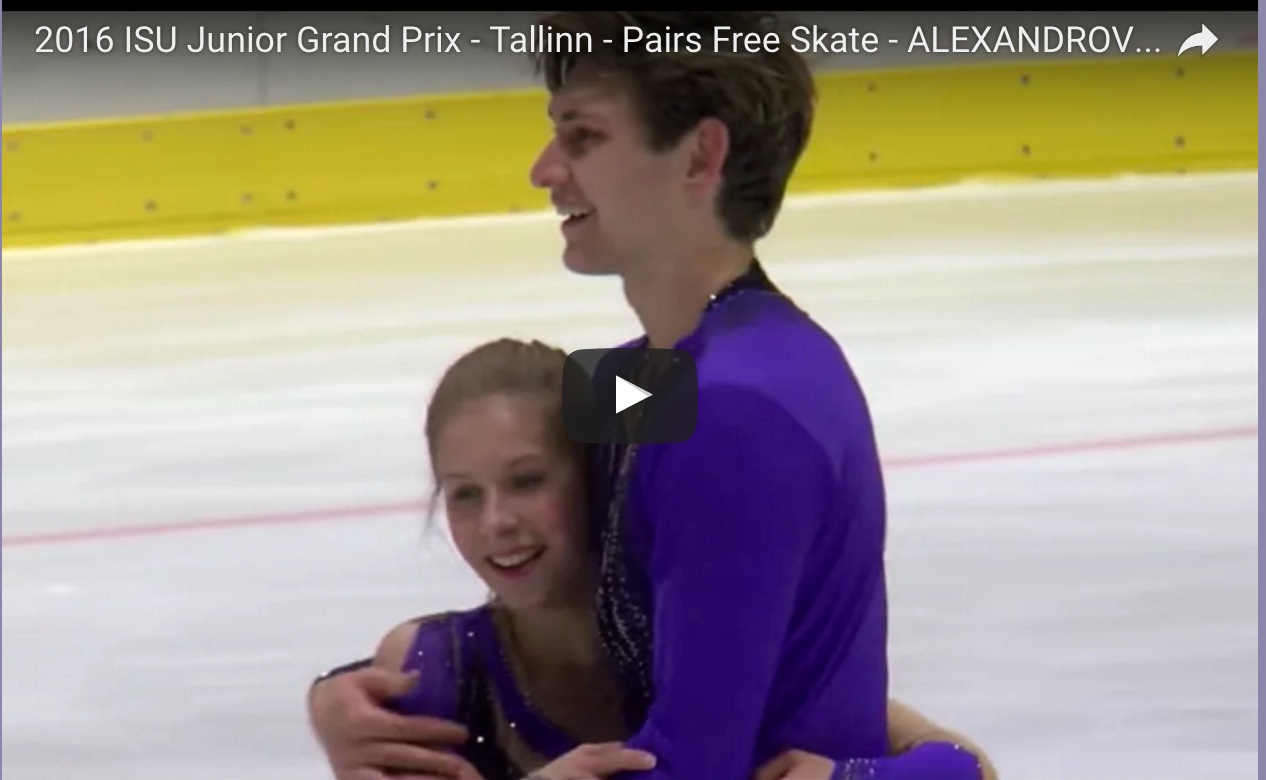
Australia's Winning Pair!
Watch You Tube post of Ekaterina Alexandrovskaya and Harley Windsor winning the Junior Grand Prix 2016.
Click on photo directly below.
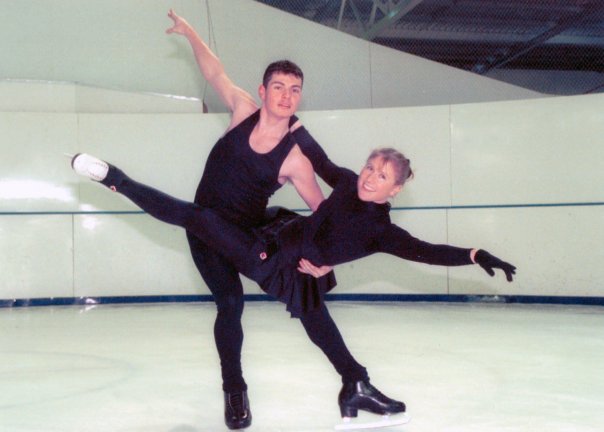
Below: Dejan and Sharon from SA
Below: Rhianon & Joshua from SA
Ice Dance
Ice Dance is ballroom dancing on ice.
The couples skate to music with a defined rhythm and beat.
They perform turns, steps, spins and limited lifts.
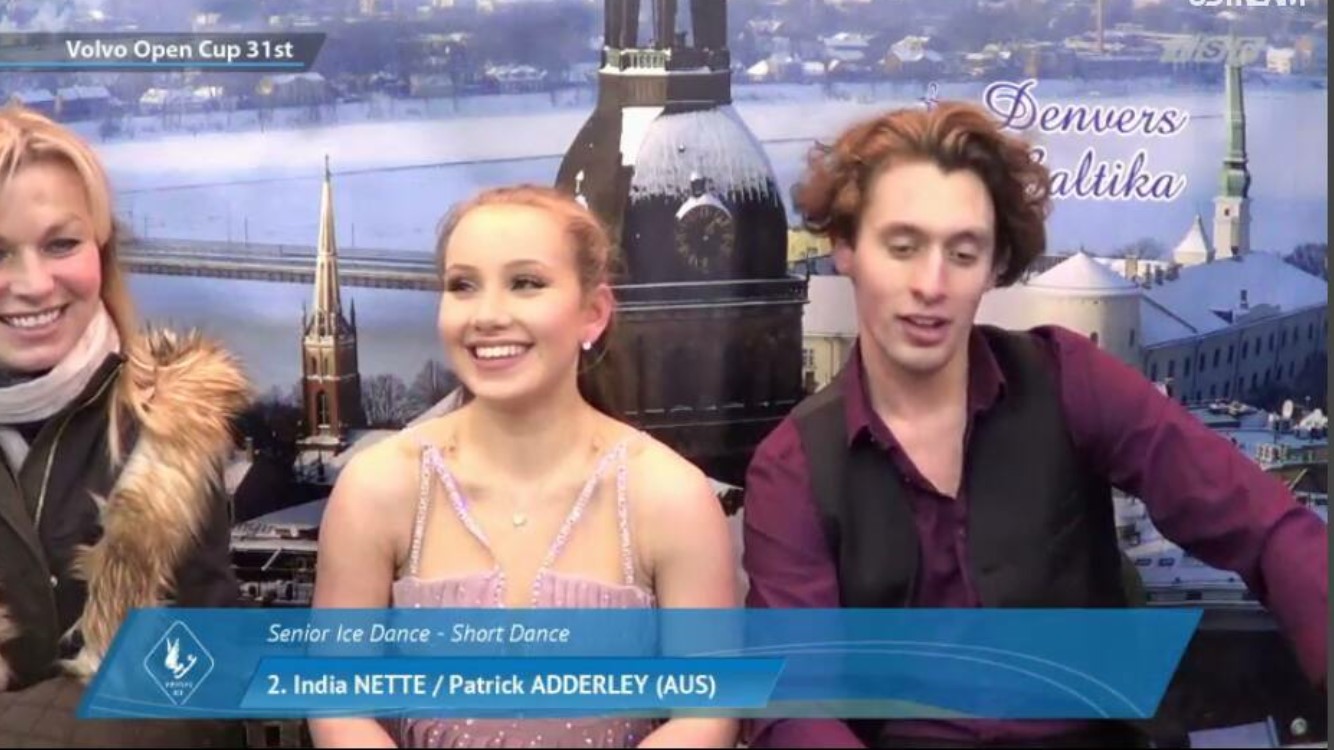
India Nette (SA) & Patrick Adderley 2016
Click on photo below to watch Ice Dance
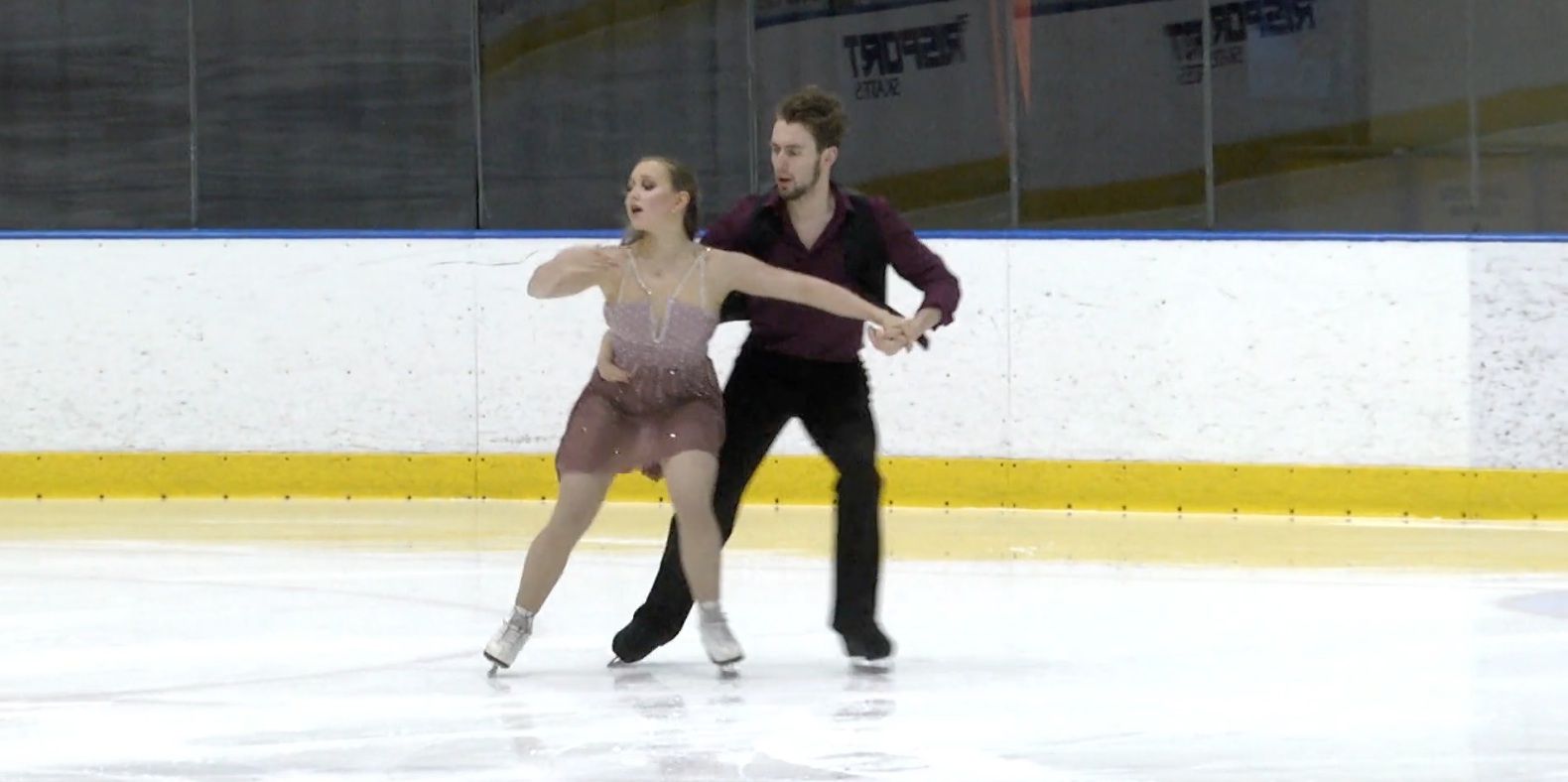
India & Patrick at the Volvo Open Cup Riga, below
Synchronized Skating
Synchronized skating is the fastest growing figure skating discipline (sport).
Teams of 8 to 16 skaters move as a team at high speeds while performing difficult moves.
The majority of the moves require precise unison and synchronization with the team flowing as one unit.
The elements they may perform are blocks, wheels, circles, lines, group lifts, intersections and moves in the field.
Each year there are updated requirements for the higher divisions.
Synchronized Skating uses the same judging system as singles, pairs and ice dance. Teamwork, precision, speed, difficulty and performance all contribute to the marks.
Synchronized Skating is governed by the International Skating Union. There are many international synchronized skating competitions (see ISU Calendar of Events here) including World Junir and World Championships. It is hoped Synchronized Skating can be incuded as an Olympic discipline in the near future.
Synchronized team skating is available for Aussie Skaters, Adults and beginners right up to Senior level.
Some synchro videos published on You Tube:
Watch Team Australia 2016 (with SA's Chelsea Skene o the team) skate at the World Synchronized Skating Championships 2016. Click on the photo immediately below.

Here are some more links to You Tube videos:
Team Russia 1 2015: (below)

Marigold Ice Unity (Finland) 2017: (Below)
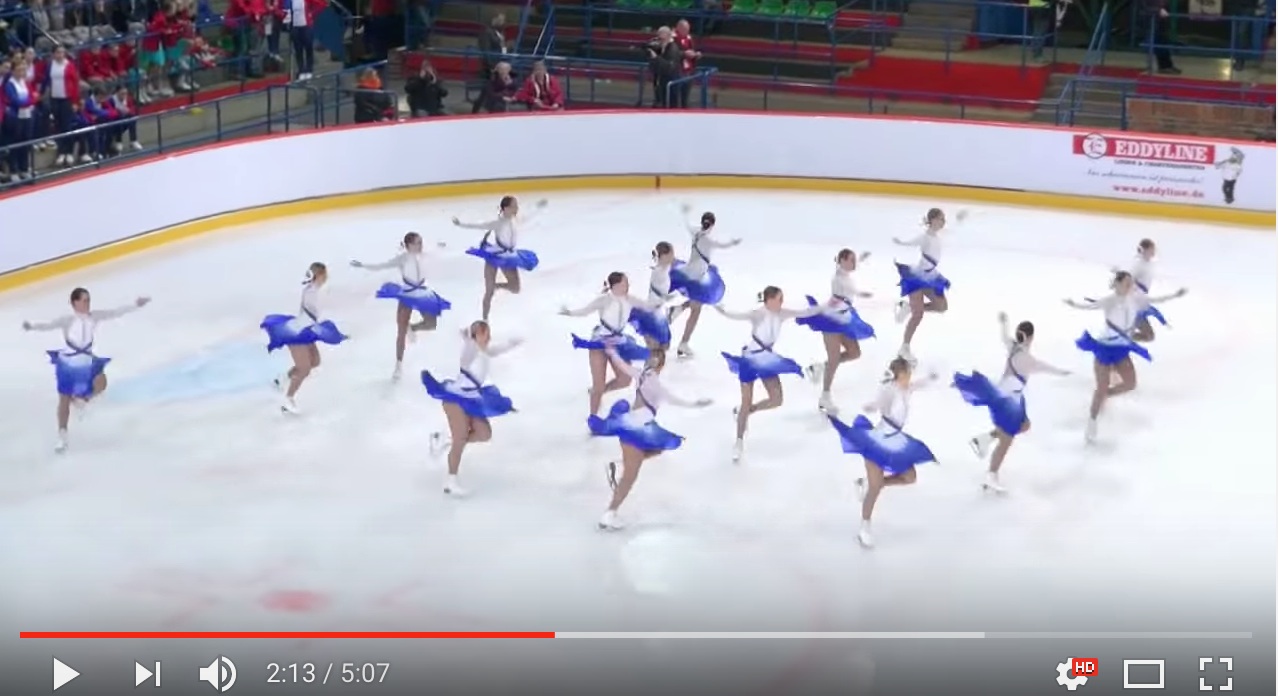
Haydenettes (USA) 2017: (below)
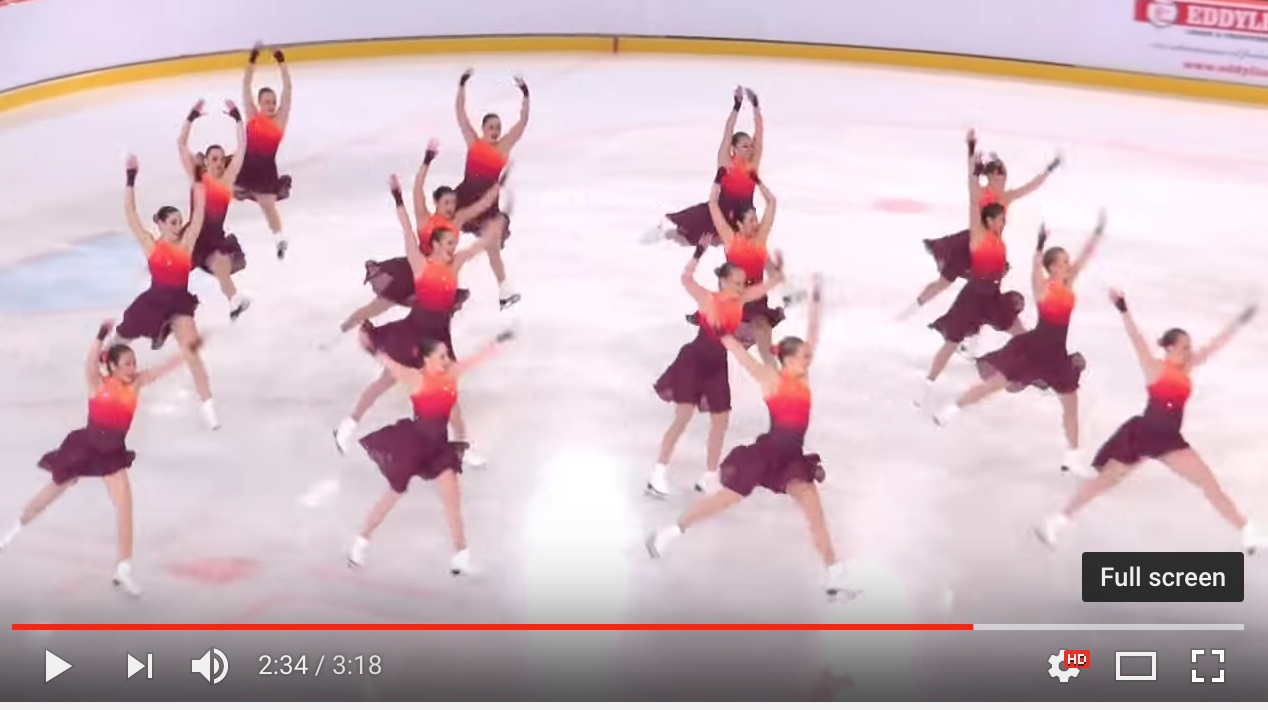
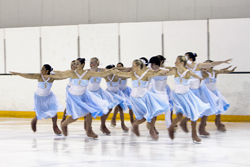
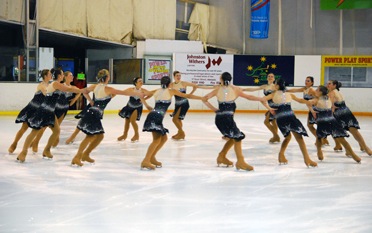
Photos of SA Synchro:
 copy.jpg)
 lift2 copy.jpg)
 lift 1 copy.jpg)
 copy copy.jpg)
.jpg)
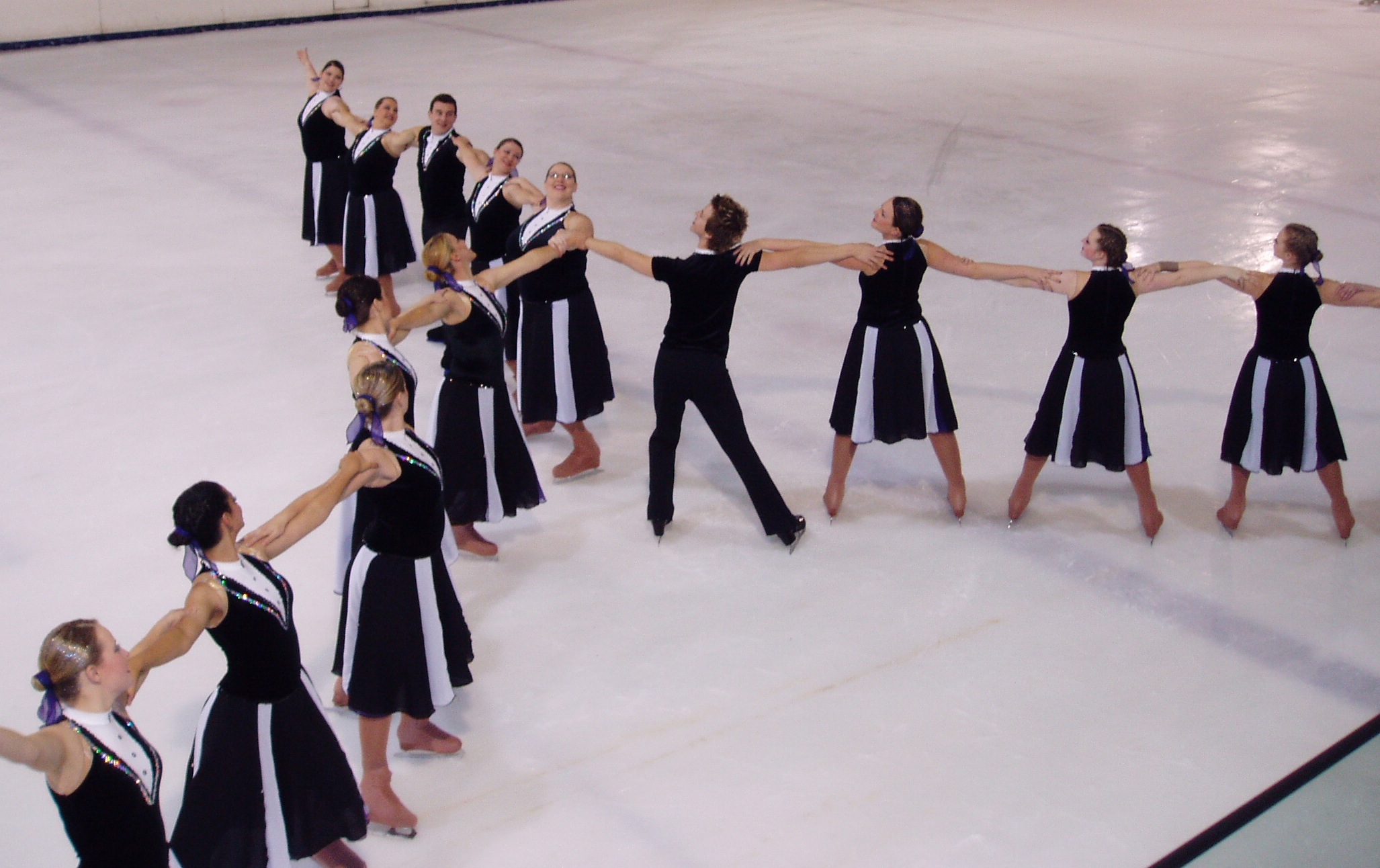
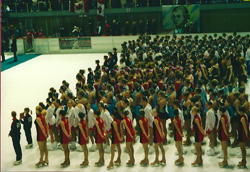
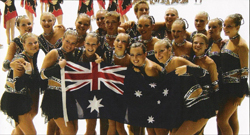
SA's Junior Team (Team Australia) at the World Junior Challenge Cup, Zagreb, 2002




